Sunday, February 4, 2018

20 foods that will supercharge your brain:


1. Avocado
Start each day with a mix of high-quality protein and beneficial fats to build the foundation for an energized day. Avocado with scrambled eggs provides both, and the monounsaturated fat helps blood circulate better, which is essential for optimal brain function. Worst alternative: a trans-fat-filled, sugar-laden cream cheese Danish.
Green it: you don’t need to buy an organic avocado – conventional is fine. But make sure your supplementary protein is free range, cage free, or organic.
2. Blueberries
These delicious berries are one of the best foods for you, period, but they’re very good for your brain as well. Since they’re high in fiber and low on the glycemic index, they are safe for diabetics and they do not spike blood sugar. Blueberries are possibly the best brain food on earth: they have been linked to reduced risk for Alzheimer’s, shown to improve learning ability and motor skills in rats, and they are one of the most powerful anti-stress foods you can eat. Avoid: dried, sweetened blueberries.
Green it: buy local and organic, and be mindful of seasonality. When blueberries are out of season, opt for cranberries, grapes, goji berries, blackberries or cherries to get your brain boost.

3. Wild Salmon
Omega-3 fatty acids are essential for your brain. These beneficial fats are linked to improved cognition and alertness, reduced risk of degenerative mental disease (such as dementia), improved memory, improved mood, and reduced depression, anxiety and hyperactivity. Wild salmon is a premium source, but we’ll highlight a few other sources on this list for vegetarians and people who just don’t like salmon. Avoid farmed (read: sea lice infested) salmon.
Green it: the California salmon stock is threatened, so choose wild Alaskan salmon only, and eat small portions no more than twice a week.
4. Nuts
Nuts contain protein, high amounts of fiber, and they are rich in beneficial fats. For getting an immediate energy boost that won’t turn into a spike later, you can’t do better than nuts. The complex carbs will perk you up while the fat and protein will sustain you. Nuts also contain plenty of vitamin E, which is essential to cognitive function. You don’t have to eat raw, plain, unsalted nuts, but do avoid the ones with a lot of sweetening or seasoning blends. Filberts, hazelnuts, cashews, and walnuts are great choices, with almonds being the king of nuts.
For those avoiding carbs, macadamia nuts are much higher in fat than most nuts. By the way, peanuts just aren’t ideal. Aside from the fact that many people are allergic, peanuts have less healthy fat than many other types of nuts…maybe that’s because peanuts are not actually a nut! They’re still much better than a candy bar, however.
Green it: try to choose organic, raw nuts, and if you can’t get those, at least avoid the tins of heavily-seasoned, preservative-laden nuts that may have taken many food miles to get to your mouth.
5. Seeds
Try sunflower seeds, sesame seeds, flax seed, and tahini (a tangy, nutty sesame butter that tastes great in replacement of mayo and salad dressing). Seeds contain a lot of protein, beneficial fat, and vitamin E, as well as stress-fighting antioxidants and important brain-boosting minerals like magnesium.
Green it: Again, just look for organic and try to avoid the highly-seasoned, processed options. In general, things like fruits, vegetables, seeds and nuts are pretty low-impact, environmentally speaking, in comparison to meats and cheeses.
6. Coffee
Thine eyes do not deceive (even if you are in the midst of a sugar crash). Coffee is good for your brain. Did you know coffee actually contains fiber? That’s going to help your cardiovascular system. Coffee also exerts some noted benefit to your brain in addition to providing you with a detectable energy boost.
The trick is not to have more than a few cups. But you can safely enjoy 2-4 cups daily – we are talking about supercharging here. Just please don’t go ruining a good thing by loading it up with sugar! Espresso beans are actually a phenomenally healthy snack, by the way.
Green it: brew yourself some fair-trade organic coffee to benefit both the planet and the workers who grow your beans. Use a thermos instead of a throwaway cup.

7. Oatmeal
Nature’s scrub brush is one of the best foods for cardiovascular health, which translates to brain health. Additionally, oatmeal is packed with fiber, a reasonable amount of protein, and even a small amount of Omega-3’s. It’s a good grain that will sustain you throughout the morning so you aren’t prone to irritability or an energy crash.
Green it: the healthiest oatmeal is the real, steel-cut deal. Steer clear of those little microwavable packets that are loaded with sugar. All that packaging isn’t very green.
8. Beans
One more for carb-lovers. (The brain uses about 20% of your carbohydrate intake and it likes a consistent supply.) Beans are truly an amazing food that is sadly overlooked. They’re humble, but very smart. Not only are they loaded with fiber, vitamins, minerals and protein, they’re ridiculously cheap. An entire bag of beans usually costs only a few dollars and will provide many meals. Beans provide a steady, slow release of glucose to your brain – which means energy all day without the sugar crash. Don’t go eating a whole platter of frijoles, though – just 1/4 of a cup is fine.
Green it: look for heirloom beans that are raised sustainably, like those from Rancho Gordo.
9. Pomegranate
Opt for the fruit over the juice so you get more fiber. Pomegranates contain blueberry-like levels of antioxidants, which are essential for a healthy brain. Your brain is the first organ to feel the effects of stress, so anything you can do to offset stress is a smart choice.
Green it: pomegranates are seasonal and not generally local for most of us, so enjoy sparingly and rely on other berries like acai, grapes and cherries when you can’t get this fruit.

10. Brown Rice
Brown rice is a low-glycemic complex carbohydrate that is excellent for people sensitive to gluten who still want to maintain cardiovascular health. The better your circulation, the sharper your brain.
Green it: don’t buy the excessively-packaged “boil in a bag” rice packets. Just make up a big batch of brown rice in a rice cooker on Sunday so you have it on hand for easy lunches all week.
11. Tea
You have to brew tea fresh or you won’t get the benefits of all those catechines (antioxidants) that boost your brain. Because tea has caffeine, don’t have more than 2-3 cups daily.
Green it: buy organic, fair trade loose leaf or packets to support sustainable business practices.
12. Chocolate
Things are looking increasingly better for chocolate. It’s got brain-boosting compounds, it’s loaded with antioxidants, and it has just the right amount of caffeine. Chocolate sends your serotonin through the roof, so you’ll feel happy in short order. Dark chocolate is also rich in fiber. (Remember, fiber = healthy cardiovascular system = healthy brain.)
Green it: go for super dark, fair-trade, pure organic chocolate, not the sugary, processed milk chocolate candy bars.
13. Oysters
Oysters are rich in selenium, magnesium, protein and several other nutrients vital to brain health. In one study researchers found that men who ate oysters reported significantly improved cognition and mood! Not all shellfish are good for you but oysters are a sure bet.
Green it: oysters are actually one of the most eco-friendly seafood options, so eat up!
14. Olive Oil
Though we know the brain does need a small, steady supply of glucose, don’t overlook fat. Studies have consistently shown that a low-fat diet is not the health boon we hoped it would be (remember the 90s low-fat craze?). In fact, avoiding fat can increase foggy thinking, mood swings, and insomnia. A diet rich in healthy fats is essential to clear thinking, good memory, and a balanced mood. Your brain is made of fat, after all.
One study of men found that those who relied on the processed vegetable fats found in salad dressings, snacks and prepared foods had 75% higher rates of mental degradation (dementia, memory loss) than men who ate healthy fats. Most processed foods and fast foods use corn oil, palm oil, soybean oil and other Omega-6 fats. You don’t want Omega 6 fats. Even saturated fat is safer than Omega 6’s.
Choose healthy fats such as those present in olive oil, nut butters, nuts and seeds, flax, oily fish, and avocados. Avoid processed fats found in pastries, chips, candy bars, snacks, junk food, fried foods and prepared foods. Eating the wrong fat can literally alter your brain’s communication pathways.
Green it: look for organic, local, or farmers’ market options when it comes to your food. You should also explore herbal remedies for mood swings and brain health. 

15. Tuna
In addition to being another rich source of Omega-3’s, tuna, particularly yellowfin, has the highest level of vitamin B6 of any food. Studies have shown that B6 is directly linked to memory, cognition and long term brain health. Generally, the B vitamins are among the most important for balancing your mood. B6 in particular influences dopamine receptors (dopamine is one of your “feel good” hormones along with serotonin).
My personal cocktail: SAMe (nature’s happiness molecule) and a mega-dose of B-complex keeps me humming even when I’ve got a mountain of work to do. Which, like you, is all the time.
Green it: only eat tuna from sustainable fisheries, and if you’re looking for a B6 source that is vegetarian, opt for a banana, which contains a third of your day’s requirement (tuna offers nearly 60%).
16. Garlic
Garlic – the fresher the better – is one of the most potent nutritional weapons in your arsenal. Eat it as much as your significant other can stand. Not only is it fabulous for reducing bad cholesterol and strengthening your cardiovascular system, it exerts a protective antioxidant effect on the brain.
Avoid: I know it makes life easier, but don’t even think about buying the chopped or peeled garlic. Nutritional benefits = zero.
Green it: just choose organic, and go for local if you can get it.
17. Eggs
Eggs contain protein and fat to provide energy to your brain for hours, and the selenium in organic eggs is proven to help your mood. You really needn’t worry about the overblown cholesterol fears. (I have quite a bit to say on this topic but I’ll restrain myself for once.)
Green it: choose organic, free range, vegetarian fed eggs.
18. Green Leafy Vegetables
Spinach, kale, chard, romaine, arugula, lolla rossa – whatever green you like, eat it daily. Green, leafy vegetables are high in iron (slightly less “green” iron sources include beef, pork and lamb). Americans tend to be deficient in iron, which is too bad, because the deficiency is linked to restless leg syndrome, fatigue, poor mood, foggy thinking, and other cognition issues.
Green it: choose organic, and shop at your farmers’ market or order from a local CSA. Leave out the red meat a few days a week and rely on a big, well-seasoned green stir fry or salad.
19. Tomatoes
Go figure, but tomatoes don’t usually make the brain-boosting food lists. (Thank goodness I found the one that did so I’m not the only one.) Tomatoes contain lycopene, an antioxidant that is particularly good for your brain – it even helps prevent dementia. You have to cook tomatoes to get the lycopene – take that, raw foodies! Just kidding. But this does mean that ketchup is good for your brain. Although because of the sugar in it, you should look to other sources for most of your lycopene intake, such as fresh tomato sauce.
Green it: try to eat tomatoes that are local and get your lycopene in vitamin form when tomatoes aren’t in season. You’ll know when that is – the tomatoes will be pale, tasteless, and pithy.
20. Cacao nibs
That’s right, I’m putting chocolate on this list twice. My boyfriend knows I need it. I eat chocolate or cacao nibs daily and I think you might want to consider it, too. Cacao nibs are among the top five most powerful brain foods, right next to wild salmon and blueberries. My girlfriends and I like to mix cacao nibs with frozen blueberries and a generous splash of organic heavy cream while we watch really bad television on Sunday nights.
Green it: as long as it’s fair trade and organic, it’s green.
Things that drain your brain:
Alcohol kills your brain cells outright! Alcohol also interferes with dopamine production. Moderate amounts of alcohol, particularly resveratrol-rich red wine, can help improve your health, but anything beyond a glass or two of wine daily is a recipe for reduced brain function and energy loss.
Corn Syrup and Sugar lead to health problems like diabetes and obesity, and they’re terrible for your brain. Don’t eat sugar except on special occasions or as an infrequent treat. If you can’t cut back that much, try to limit yourself to just two bites of whatever tempts you daily.
Nicotine constricts blood flow to the brain, so while it may “soothe” jittery nerves, smoking will actally reduce your brain function severely – and the effects are cumulative.

A high carbohydrate lunch
 will make you sleepy and sluggish. Opt for a light meal with some quality protein, such as a salad with grilled chicken breast or vegetables and hummus or wild American shrimp and avocado.
– with additional reporting by Sarah Irani

Thursday, January 18, 2018

Homemade body butter


This rich body butter also works as a garden salve to help treat minor cuts and scrapes after a day spent outdoors harvesting and trimming your plants. Sunflower, coconut and flax seed oil can all be found at your local grocery store. Beeswax is often found at the natural food store and farmer’s markets look for beekeepers as a source of wax and they may also have some lavender honey for sale. MAKES 4 OUNCES
• 1⁄4 cup cocoa butter
• 2 tablespoons sunflower oil
• 1 tablespoon coconut oil
• 1 tablespoon flax seed oil
• 2 tablespoons grated beeswax
• 1 teaspoon vitamin E oil
• 5 to 6 drops lavender essential oil
1. Combine all of the ingredients except the essential oil of lavender and gently heat until melted. You may heat in the microwave or on the stove top on low heat.
2. Stir well and add the lavender essential oil, pour into a clean container and allow to cool completely.
3. To use: Massage into your skin, especially classic rough spots such as elbows, heels and knees.

Tuesday, January 9, 2018

Food Cravings? Here's what they really mean...

Chocolate: magnesium

Chocolate is the most commonly-reported craving in the Western world, so it shouldn’t surprise us that it is linked to a nutrient in which a huge number of us are unknowingly deficient: magnesium.
According to recent statistics, up to 80 percent of Americans are lacking in this essential macromineral, which is needed for over 300 biochemical reactions in the body, including reactions that relate to relaxation.
In fact, magnesium is nicknamed the “relaxation mineral,” since anxiety, irritability, insomnia and high blood pressure are its main deficiency symptoms. This is the reason why magnesium-deficient people temporarily feel better after eating a chocolate bar: the small amounts of magnesium in it (derived from its cacao content) relaxes them.
But, of course, there are far healthier sources of magnesium than processed chocolate. Dark leafy greens, seeds and nuts, fish, beans and blackstrap molasses are all excellent sources of magnesium and will help end chocolate cravings.

Sugary foods: chromium, carbon, phosphorus, sulfur and/or tryptophan

The second most commonly reported craving in the West is high-sugar foods.
This is the most complex craving to pin down, since deficiencies in no less than five nutrients could be causing it:
  • chromium (helps to regulate blood sugar levels)
  • carbon (one of the elements from which sugar is made)
  • phosphorus (helps the body produce energy)
  • sulfur (helps remove toxins)
  • tryptophan (a serotonin regulator)
Therefore, the best way to end incessant sugar cravings is to simply improve your diet, which will help remineralize your body in all areas.

Refined carbohydrates: nitrogen

A craving for refined carbs like pasta and bread signals a deficiency in nitrogen.
Nitrogen compounds are an essential component of nucleic acids and protein, and deficiencies in them can result in malnutrition due to a related protein deficiency. Therefore, if you find that you’re craving a lot of refined carbohydrates, add more nitrogen-rich foodsto your diet.
Most foods contain nitrogen in organic or non-organic form, but fruits and vegetables are especially rich in it.

The following cravings are less common than those detailed above, but are still regularly reported in today’s society:
Oily and fatty foods: You are deficient in calcium. Good sources of calcium include raw milk, cheese, turnip greens and broccoli.
Ice: You are deficient in iron. Eat more iron-rich foods like leafy greens, meat, blackstrap molasses and sea vegetables.
Salty foods: You are deficient in chloride and/or silicon. Try adding more fish, nuts and seeds to your diet.

Monday, January 8, 2018

BPA Disrupts Metabolic Rates and Causes Obesity, According to New Study

A new study conducted by the New York University of Medicine reports that packaged food is directly correlated to the obesity levels rising in American children because of their exposure to Bisphenol A (BPA).
According to the National Health and Nutrition Examination Survey from 2003, 92.6% of children 6 years and older had obviously measurable levels detected in tested urine.
The study also concludes that BPA disrupts other multiple metabolic mechanisms.
BPA has been identified by scientists as a cause for recent early pubescent development in our children. Between the ages of 5 – 7 is the new average pubescent age, wherein this physiological change used to occur several years later just a generation ago.
BPA is a highly toxic estrogen accelerator that is used in all plastic products commercially produced. The chemical mimics natural estrogen when leeched into the body. It offsets natural estrogen levels, causing the body to hasten its pubescent generation. Nearly all children are exposed to this chemical through plastic toys, pacifiers, bottles, sippy cups. Its influence on natural hormone distribution within the body has proven to be incredibly damaging.
In April of this year, GlobalData surmised that manufacturers would produce 4.7 million metric tons of BPA to be used in plastics worldwide.
While the Food and Drug Administration (FDA) has banned its use in certain children’s products, it is widely used in packaging processed foods.
In fact, the FDA claims that there is not enough convincing evidence to support the banning of BPA from use in food products, plastic packaging and personal care products. The FDA also asserted that there is insufficient scientific proof to justify restricting BPA’s use.
Other chemicals linked to obesity in humans are:
  • Monosodium glutamate (MSG)
  • Phthalates (used in plastics)
  • PFOA (used in Teflon) also are harmful to the human immune system, liver and thyroid
  • Corn fed cows has higher levels of saturated fat in their beef
  • Arsenic (fed to pigs and chickens) affects the thyroid gland
  • Pharmaceuticals and medications in public water supplies negatively affect the natural chemical make-up of our bodies
The claim by recent a recent study that obesity is linked to IQ, which was funded by the pharmaceutical industry serves to purvey the idea that drugs are the answer to America’s weight problem. By determining the metabolic syndrome rate in a teenager, it is suggested that their cognitive brain function is compromised by their body mass index (BMI).
The author of this study recommends using methods to develop a classification for overweight children in America so that the psychiatric industry can work together with the pharmaceutical corporations to develop drugs.
Young people have been targeted as having a propensity toward becoming obese in rural areas. It was also noted that ethnicity played a part in the likelihood of becoming overweight. Blacks and Hispanics, according to the study, have a poor diet and are physically isolated, and do not necessarily have access to healthy food.
The World Health Organization (WHO) have asserted that American over-consumption of food is a drain on global resources and unsustainable. Although Americans only account for 6% of the global population, more than a third of them are considered obese.
WHO would like the average global body weight to be near emaciated levels to conserve food stores and reduce the human impact on the planet.
Michelle Obama has remarked that the growing number of obese children in America is a threat to national security.
Endocrinologist Robert Lustig of the University of California, San Francisco observes,“This epidemic of obese 6-month-olds. Since they’re eating only formula or breast milk, and never exactly got a lot of exercise, the obvious explanations for obesity don’t work for babies. You have to look beyond the obvious.”
Early life exposure to traces of chemicals and hormone-mimicking pollutants, such as BPA, in the environment, act on genes in the developing fetus and newborns and turn more precursor cells into fat cells. These chemicals cause the cells to hoard nutrients, directly causing weight gain in infants. They may even cause severe alterations in the body’s metabolic rate.
by Susanne Posel – Occupy Corporatism

Saturday, August 26, 2017

10 Herbs for Joint Pain


Arnica
This is a popular herb present in various commercial ointments externally applied to the skin. When applied as a balm or cream, arnica has been shown to serve as a natural pain reliever to alleviate soreness and stiffness. [1] The evidence of arnica's clinical value is rich that when a study was conducted to compare its effects with ibuprofen in 204 patients with active hand osteoarthritis, there was no difference found in pain and hand function improvements between ibuprofen and arnica tincture after 3 weeks of treatment. This study suggests that arnica formulation is comparable to ibuprofen in treating hand osteoarthritis, yet without the potential side effects of ibuprofen. [3]


Ginger
Ginger is traditionally known to aid nausea but research has also found convincing evidence of its success in combating arthritis. [2] Its active ingredients, gingerols, possess anti-inflammatory characteristics responsible for its medicinal actions. Ginger has been found to relieve pain by preventing cytokine formation, an immune chemical that triggers inflammation. Consequently, one 3 year study discovered that 75% of the participants with rheumatoid arthritis experienced improvements in pain and swelling after using powdered ginger. [1]

Stinging Nettle
Its name may sound daunting but once you have infused this herb in tea, skin rash that would be brought about by this plant's hairs will naturally be neutralized. After concocting tea made from dried or fresh leaves of stinging nettle, it may be used to alleviate pain linked to joint pain, arthritis and gout. [4]Exploratory studies that investigated the value of stinging nettle as a useful, safe and cheap therapy in treating joint pain have discovered nettles as being very effective to the extent that some subjects believed they have been cured by it without any major side effects. [5]

Cayenne
Researchers discovered how the interesting mechanism behind rubbing cayenne works to relieve joint pain; cayenne, through the presence of its active ingredient capsaicin, acts as a counterirritant to the pain by producing mild irritation to distract your nerves from the more severe joint pain. [2] Eventually, repeated application of cayenne pepper can significantly reduce arthritic pain. [4] Because of cayenne's anti-inflammatory properties, experts believe that it can also ease gout and gut-related pain like ulcers. [1]

Boswellia (Frankincense)
This tree commonly found in India attributes its therapeutic value to its gum which promotes anti-inflammatory, anti-arthritic and analgesic activities. A 2003 randomized controlled study that evaluated the efficacy, safety and tolerability of boswellia extract in 15 patients with osteoarthritic knees concluded that this herb can decrease knee pain and frequency of swelling, increase knee flexion and walking distance after 8 weeks of usage with minimal side effects. [6] Moreover, boswellia is believed to prevent invasion of inflammatory white cells into damaged issue making it a natural pain killer for osteoarthritis, gout and possibly, other types of arthritis as well.

Burdock
According to research, when it comes to joint pains, increasing your intake of foods and supplements rich in essential fatty acids can really of great help. Aside from its sterol and tannin content, burdock contains high levels of essential fatty acids which are known for their anti-inflammatory effects. [7]
Burdock root contains analgesic, antioxidant and anti-inflammatory properties that help in reducing inflammation and pain associated with arthritis and other degenerative diseases. Studies show that burdock root helps in eliminating the discomforts caused by arthritis such as stiffening, swelling, tenderness, pain when moving. [8] Though generally safe to use, some have said that burdock should not be used long-term. [9]

Flax
For over 7,000 years, flax has been widely cultivated because of its powerful healing compounds. This potent herb is known for its Omega 3-ALA content which is noted for its ability to fight against inflammation. Omega 3 fatty acids actually limit the inflammatory reactions caused by gout and joint pains. The use of flaxseed of oil proves to be effective in lessening the intensity of severe and sudden pain and swelling of the joints.

Turmeric
Known for its anti-inflammatory effects, turmeric is a powerful herb that aids in the treatment of a wide range of health conditions including gout, arthritis and joint pains. This excellent pain reliever works because of its curcuminoids and curcumin contents that help in reducing inflammation. [11]
In a study conducted at the University of Arizona, it was found out that intake of turmeric really helps in dealing with inflammation. Results showed that turmeric reduced swelling to a certain degree. Researchers concluded that turmeric works by blocking down the production of protein on genes that tell the tiny blood vessels to swell and grow. [12]
This famous yellow-orange spice is used to help people suffering from achy and sore joints. The Journal of Alternative and Complementary Medicine published a study in 2009 which compared the effects of curcumin, an active ingredient of turmeric, and ibuprofen to 107 subjects who were suffering from knee osteoarthritis. Results showed that curcumin was as effective as ibuprofen in improving knee function and in alleviating pain.

Licorice
Licorice is probably one of the most popular herbs for joint pains. It works by resembling the activities of the body’s natural cortiscosteroids that help in relieving inflammation. Licorice also works by eradicating free radicals on the affected areas as well as in inhibiting the production of enzymes that contribute to inflammation. When used as a supplement or tea, licorice helps in controlling the body’s production of cortisol hormones which eases the pain associated with arthritis and joint pain.

Feverfew
A native herb from the Balkan Peninsula and Europe, feverfew also proves to be an excellent herb in relieving joint pain. Research has demonstrated that this herb is capable of reducing pain-causing inflammation in tissues and joints. Its parthenolide content inhibits the release of histamine, serotonin and other inflammatory agents that trigger the spasm of the blood vessels and promote inflammation. Like aspirin, feverfew works by reducing the inflammation and intensity of pain throughout the body.

Notes Do not expect these herbs however to instantly cure joint pain overnight. Some herbs take longer to work their magic than traditional medications. [1] However, their cumulative effects may be more effective and may be safer for long term use given the right dosage. Be diligent also in understanding the safety and contraindications of the herbs you are considering. If in doubt, or if you are taking prescription meds already, it's best to consult a physician before taking herbs. You can learn about many of the herbs on this site; however you can also search on "________ (herb name) safety" or _______ contraindications. This page is not medical advice.

Herbs For Joint Pain - References:

[3] Choosing between NSAID and arnica for topical treatment of hand osteoarthritis in a randomised, double-blind study. http://www.ncbi.nlm.nih.gov/pubmed/17318618
[5] Nettle sting of Urtica dioica for joint pain--an exploratory study of this complementary therapy. http://www.ncbi.nlm.nih.gov/pubmed/10581821
[6] Efficacy and tolerability of Boswellia serrata extract in treatment of osteoarthritis of knee--a randomized double blind placebo controlled trial. http://www.ncbi.nlm.nih.gov/pubmed/12622457
Article researched and created by Cathy Ongking, © herbs-info.com 2013

Sunday, June 4, 2017

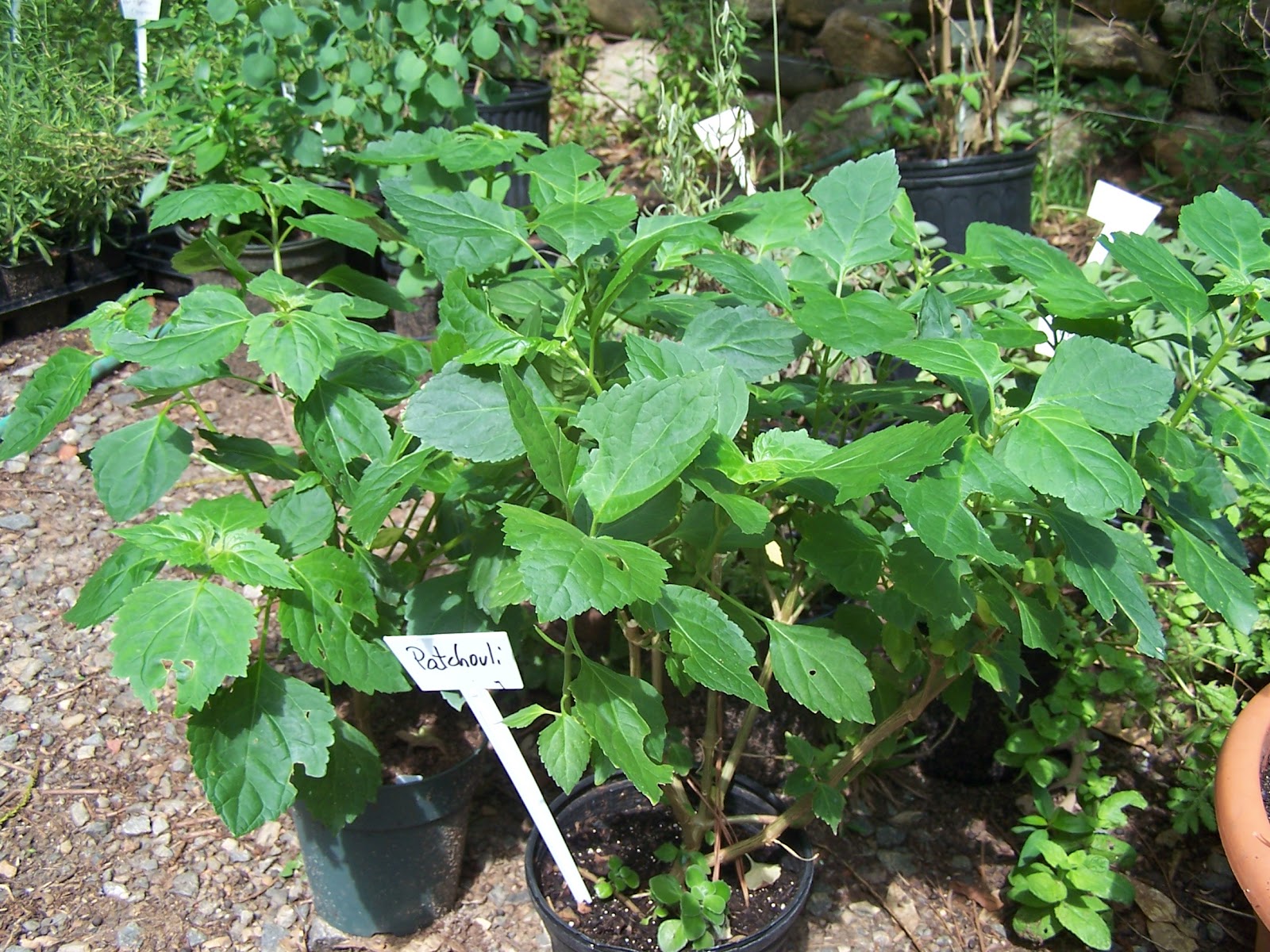
Patchouli

PATCHOULI...smells like what?


   It often happens that while we're paying for our groceries the check-out person, usually young, exclaims that someone must have sprayed for bugs. The first few times the bug-spray thing happened we put our noses in the air trying to detect the smell of poison.  After many “smell of bug spray” incidents, we finally put it all together. It was the patchouli oil we were wearing that the cashier thought was bug spray.  Sad.

   An old friend once said that patchouli (pa CHEW lee) smelled like "ground-up old hippies".  Some say it smells like dirt.  Patchouli happens to be our favorite fragrance.  It is interesting to note that if an older person is at the cash register there will usually be a question about the good scent we're wearing.  The appeal of smells and the memories they invoke definitely vary from generation to generation but bug spray?


   In the early 1800s colorful silks and shawls were shipped from the Orient to Europe and between every piece of fabric were layers of patchouli, Pogostemon cablin, a member of the mint family that would repel moths and overcome the musty smell that could occur from the long ocean trip. This scent became an indicator of authentic oriental goods but European merchants began to purchase the dried leaves and use them to scent their own products (early false advertisement).  Patchouli oil and incense became popular in the US in the 1970s with the counterculture movement, the hippie era, often used to cover the smell of marijuana. 


          Patchouli’s woodsy, earthy fragrance is one of the most important perfumery plants.

   The oil is obtained by steam distillation after a controlled fermentation, producing thick, rich-brown oil. Ten years ago the price of one pound of patchouli essential oil from Indiawas $50.00 in the US market. Today the price is $160.00 for the same amount with prices varying widely depending on crop success as well as demand; it recently sky-rocketed to $200 a pound (that’s just 16 oz.!). 


 Patchouli is easy to grow and loves hot weather, afternoon shade, lots of water and light fertilizer.  This herb will not survive outside in cold weather but semi-woody cuttings root easily in fall or winter.


   So if you want to have fun with young check-outers, or if you just really like the smell of dirt (we obviously do), tuck some patchouli leaves in your hair or dab a bit of the essential oil on your wrist.  Seriously, we think patchouli is grounding (there’s that dirt connection again) and natural…kinda’ like ground-up old hippies, and we’re not trying to cover up anything…anymore.          

Sunday, March 12, 2017

Old Fashioned Strawberry Shortcakes


2 cups flour
1/4 cup plus 1 tablespoon sugar
1 tablespoon plus 1/2 teaspoon baking powder
6 tablespoons butter, chilled and cut into small pieces
3/4 cup whipping cream
2 hard-boiled egg yolks, mashed
2 tablespoons melted butter
FILLING AND ASSEMBLY
3 pints strawberries, washed, hulled and halved or quartered (depending on size)
2 tablespoons sugar
1 cup whipping cream
SHORTCAKE
Sift flour, 1/4 cup sugar and baking powder into bowl. Add chilled butter pieces. Using your fingertips, work butter quickly and lightly into flour until mixture is consistency of very fine crumbs of sand. Add cream and egg yolks and stir with fork until dough just comes together.
Turn dough out onto floured work surface and knead briefly, just until smooth dough forms. Do not overwork. Pat or roll out dough to 3/4-inch thickness. Using floured 2 1/2- or 3-inch cookie cutter, cut out 4 rounds of dough. Gather up dough scraps, reroll and cut out 2 more rounds.
Put rounds on lightly buttered baking sheet. Brush with melted butter and sprinkle with remaining tablespoon sugar. Bake on middle rack of oven at 375 degrees until biscuits are golden brown and firm to the touch, 12 to 15 minutes.
FILLING AND ASSEMBLY
Toss strawberries and sugar together in bowl. Whip cream several minutes until soft peaks form. Cover and refrigerate. Transfer biscuits to cooling rack and cool 2 to 3 minutes. Carefully split biscuits in half and set tops aside. Place bottom halves on dessert plates and heap strawberries onto them. Generously spoon whipped cream over strawberries and replace biscuit tops. Serve immediately with any remaining whipped cream on side.
Makes 6 servings. Each serving contains about: 642 calories; 421 mg sodium; 208 mg cholesterol; 44 grams fat; 57 grams carbohydrates; 8 grams protein; 0.96 gram fiber.